
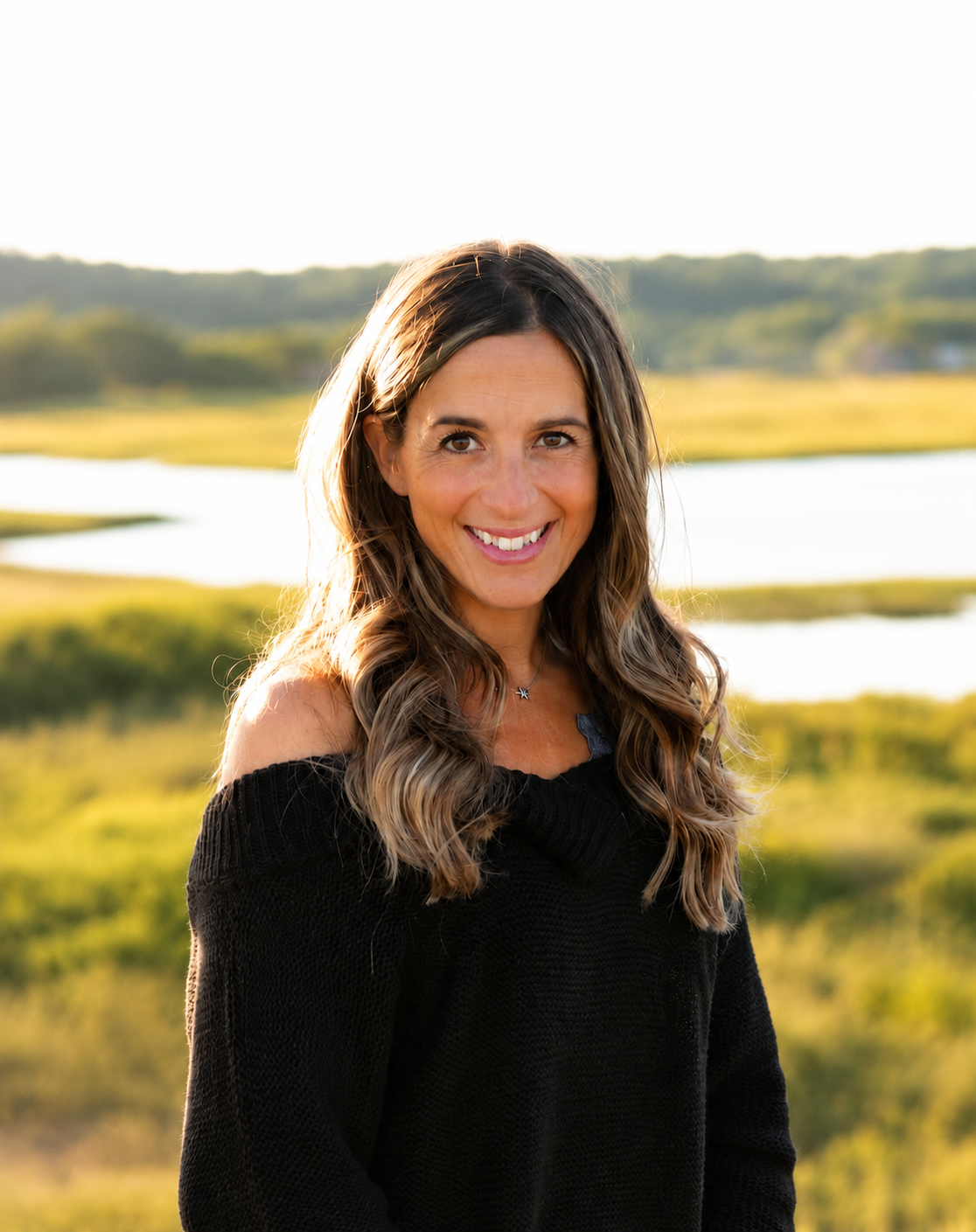
Hi, I’m Jenny.
Elementary educator, math specialist, and founder of Coastal Math Collaborative.
For more than two decades, I’ve had the privilege of teaching, learning from, and working alongside elementary children and the educators who support them. Again and again, I’ve seen that how a child feels about mathematics can be just as important as what they know.
I created Coastal Math Collaborative to give children time and space to wonder, wrestle with an idea, talk about their thinking, make mistakes, and experience the satisfaction of figuring something out.
At the heart of everything I do is one simple belief: every child is a mathematician.
Experience that shapes the work
For more than 20 years, I’ve worked with elementary students as both a classroom teacher and math specialist. Those experiences have allowed me to see children as learners from many different perspectives—and to understand how differently mathematical confidence and understanding can develop from one child to another.
My work has extended beyond the classroom to include curriculum and resource development, coaching, teacher professional learning, and mathematics intervention. I’ve designed lessons and learning experiences, worked alongside teachers to strengthen mathematics instruction, and used student thinking to determine what each learner needs next.
Through all of those roles, one thing has remained constant: the most meaningful mathematics happens when children are doing the thinking.
My role is not to rush them toward an answer. It is to ask the right question, offer the right tool or challenge, and create the conditions for children to make discoveries for themselves.
That is the experience I bring to every Coastal Math Collaborative workshop.
I genuinely love witnessing the “aha!” moment when a child sees something they didn't see before. The smile. The pride. The immediate desire to explain it to someone else.
Those are the moments Coastal Math Collaborative was created for.
What I believe about mathematics
Mathematics is not about being fast or naturally gifted.
It is about curiosity, perseverance, making connections, and making sense of the world.
Children learn best when they feel safe to make mistakes.
Their ideas should matter. Questions should be welcomed. Trying something that doesn't work should be part of learning—not something to fear.
Understanding is more powerful than memorization.
When children can explain why something works, compare strategies, and build ideas together, mathematics becomes something they understand rather than something they simply perform.